
MINDTECTON RESEARCH LIBRARY
Practical ideas for clearer cognitive performance.
Research-informed articles about reading, attention, memory, visual habits and consistent work.
Latest Insights
-
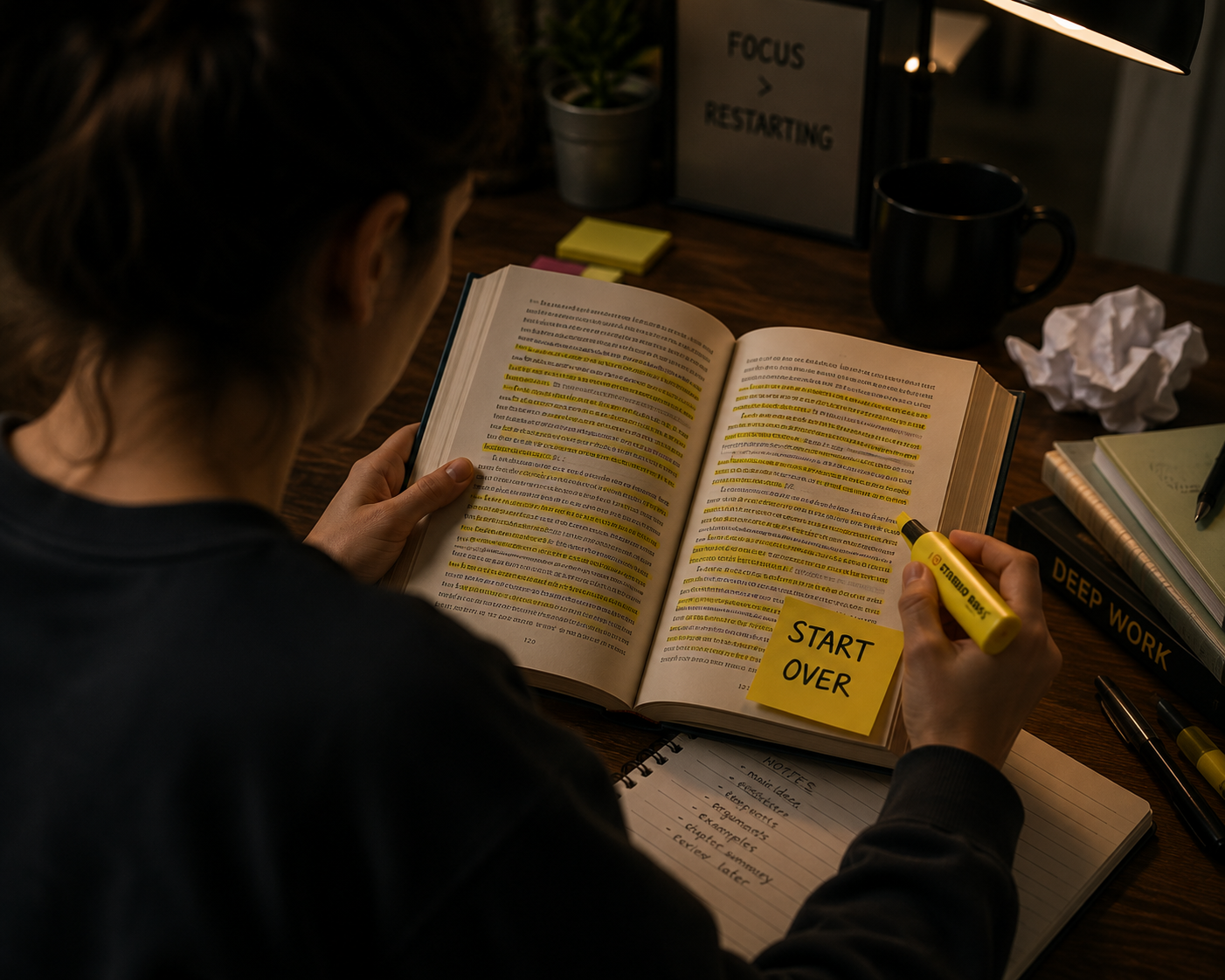
How to Read Dense Information Without Constantly Restarting
How to Read Dense Information Without Constantly Restarting You reach the end of a technical paragraph and realise that the beginning has already disappeared. You return to the first sentence. The second pass feels more familiar, but the argument still does not hold together. After the third attempt, you have read the same words several…
-
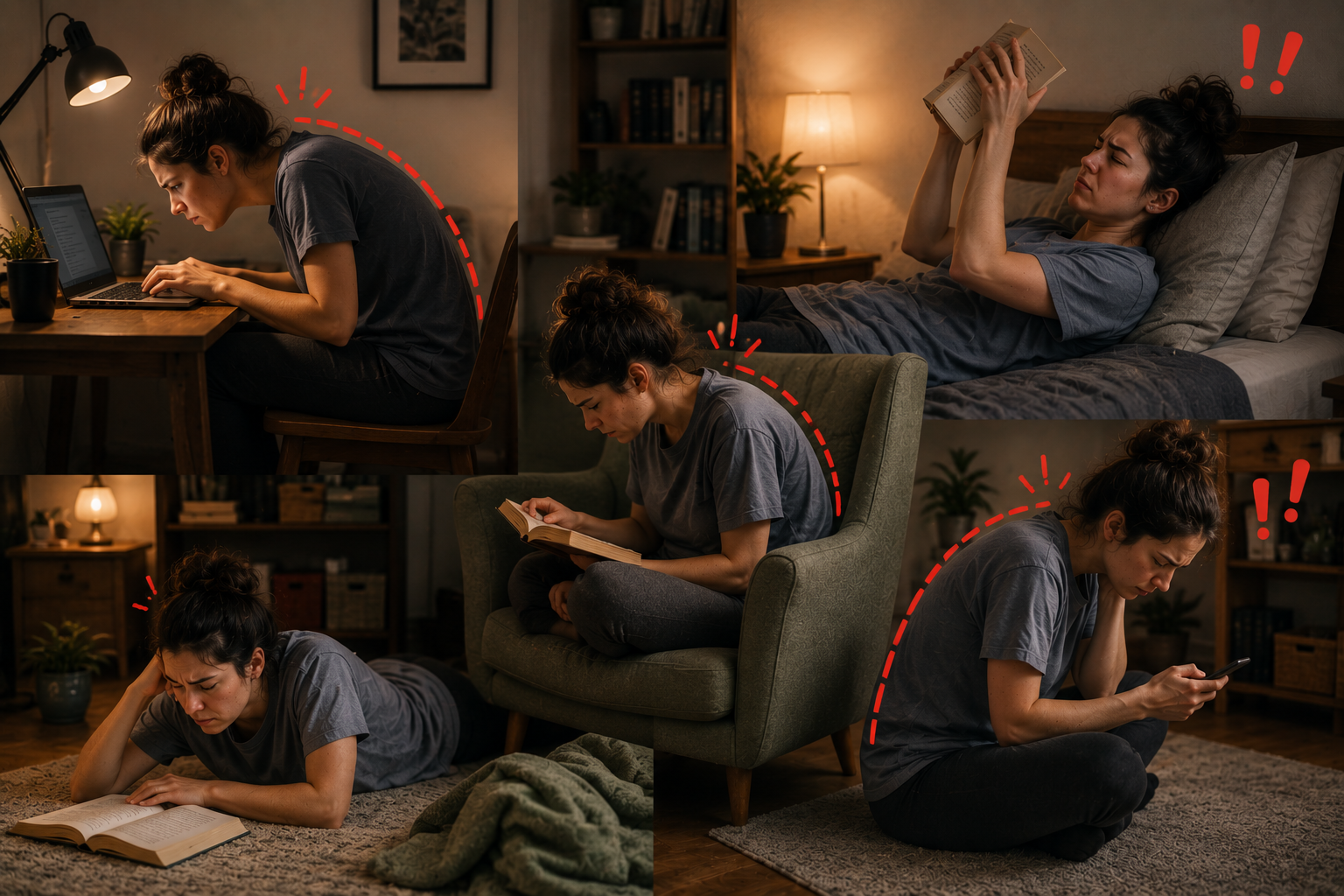
How Posture Can Make Eye Strain Worse
You begin the day sitting comfortably. An hour later, your head has drifted toward the screen, your shoulders are raised, and your face is much closer to the display than when you started. Your eyes feel tired, but the discomfort may not be coming from the eyes alone. Posture can make eye strain worse by…
-
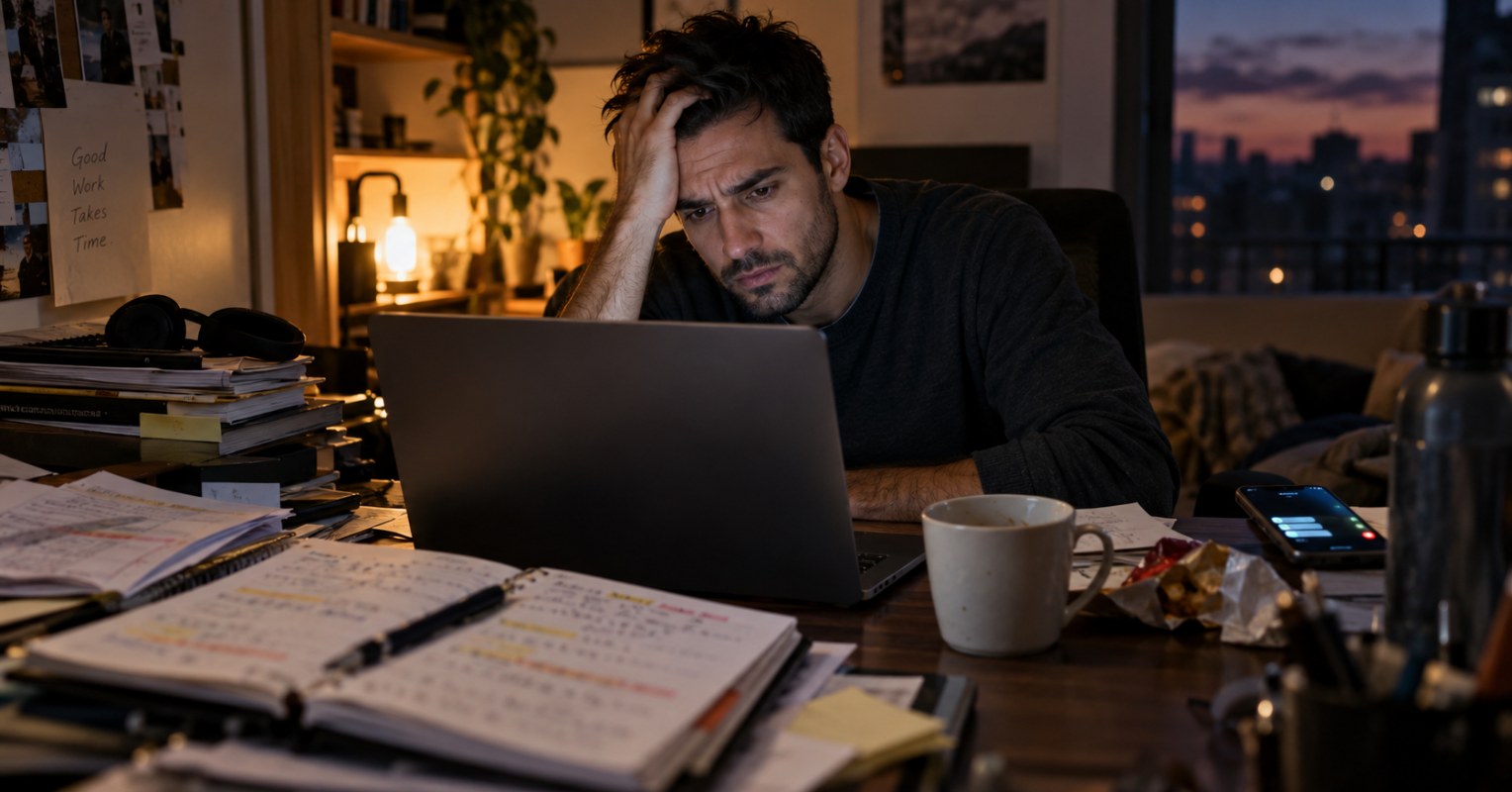
Why Your Performance Problem May Not Be the Problem You Think It Is
A slower report, forgotten explanation, or difficult afternoon may look like a focus problem without starting in attention. Test the task chain and find where performance first breaks down.
-

Why Losing Your Place Breaks Reading Flow
You reach the end of a line, move your eyes downward, and suddenly do not know where the next line begins. You repeat the line you just read, skip one by mistake, or scan the paragraph until a familiar phrase appears. By the time you recover your position, the sentence no longer feels complete. Losing…
-
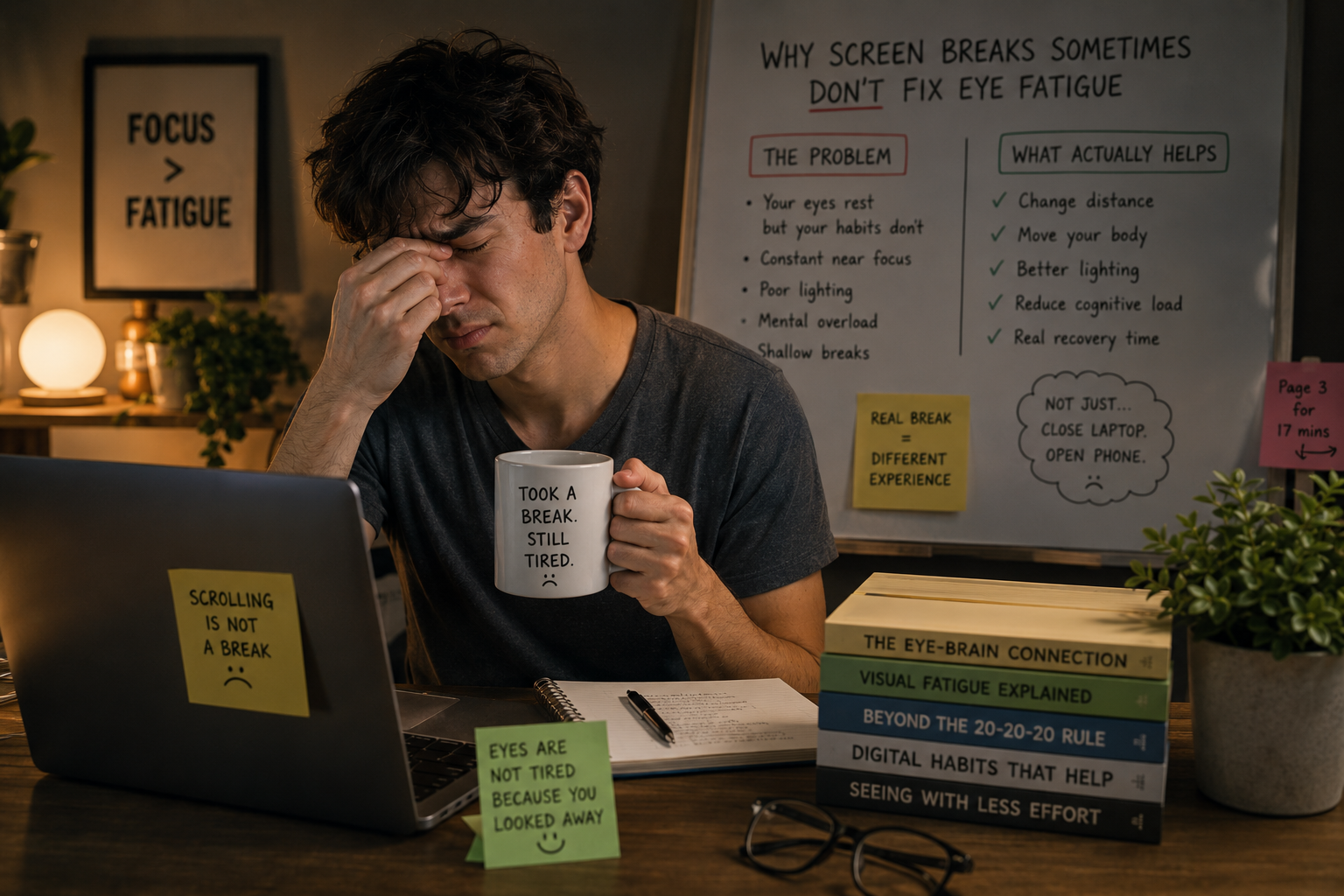
Why Screen Breaks Sometimes Don’t Fix Eye Fatigue
You follow the standard advice. You look away from the screen, focus on something distant for twenty seconds, and return to work. Your eyes still feel tired. That does not mean screen breaks are useless. It may mean the break changed only one part of a problem with several causes. Screen breaks can interrupt prolonged…
-
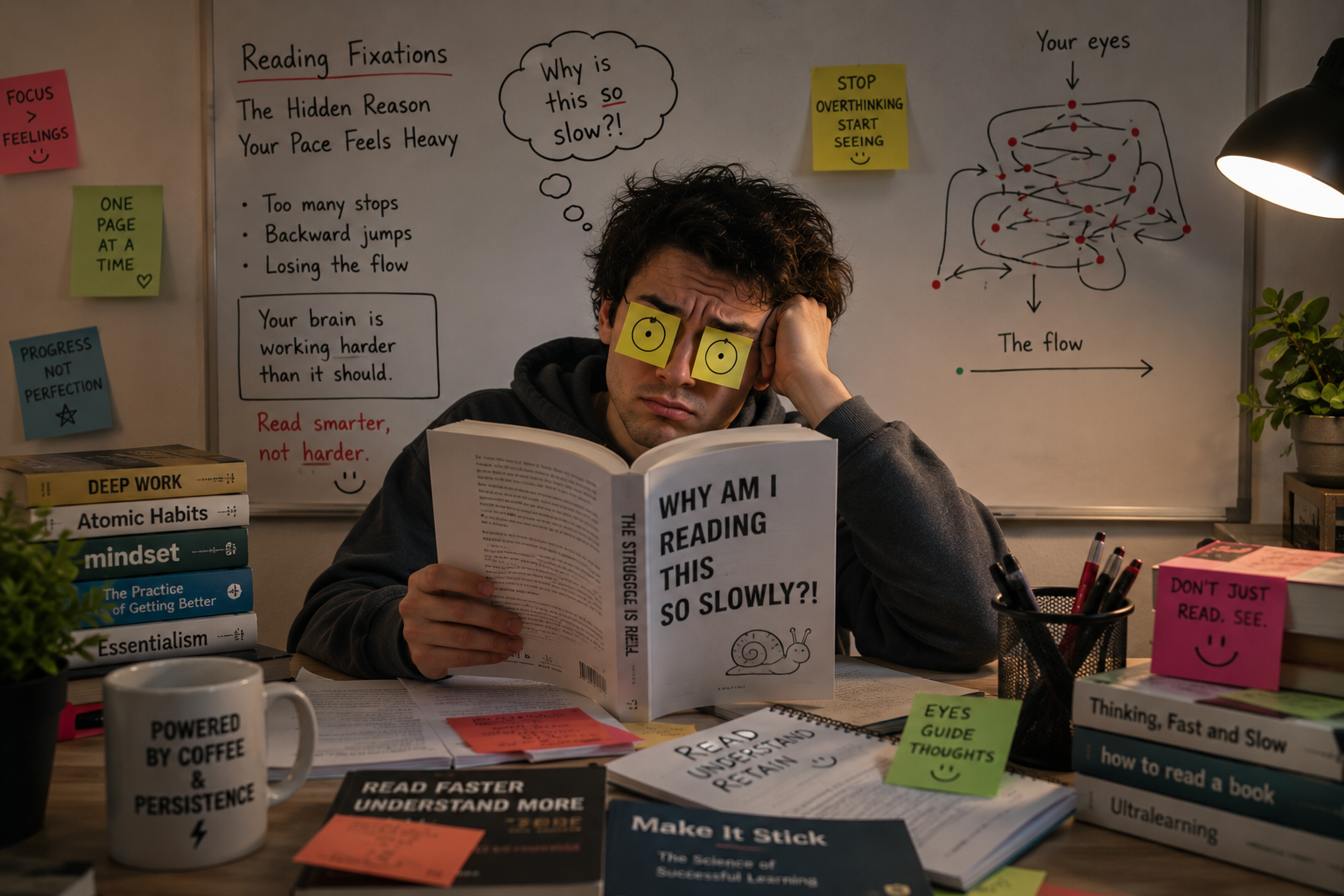
Reading Fixations: The Hidden Reason Your Pace Feels Heavy
You recognise the words, but reading still feels slow. Your eyes move across the line in short bursts. Every word seems to demand its own moment, sentences feel fragmented, and a page takes more effort than its difficulty should require. The problem may not be your intelligence or even your ability to understand the material.…
-
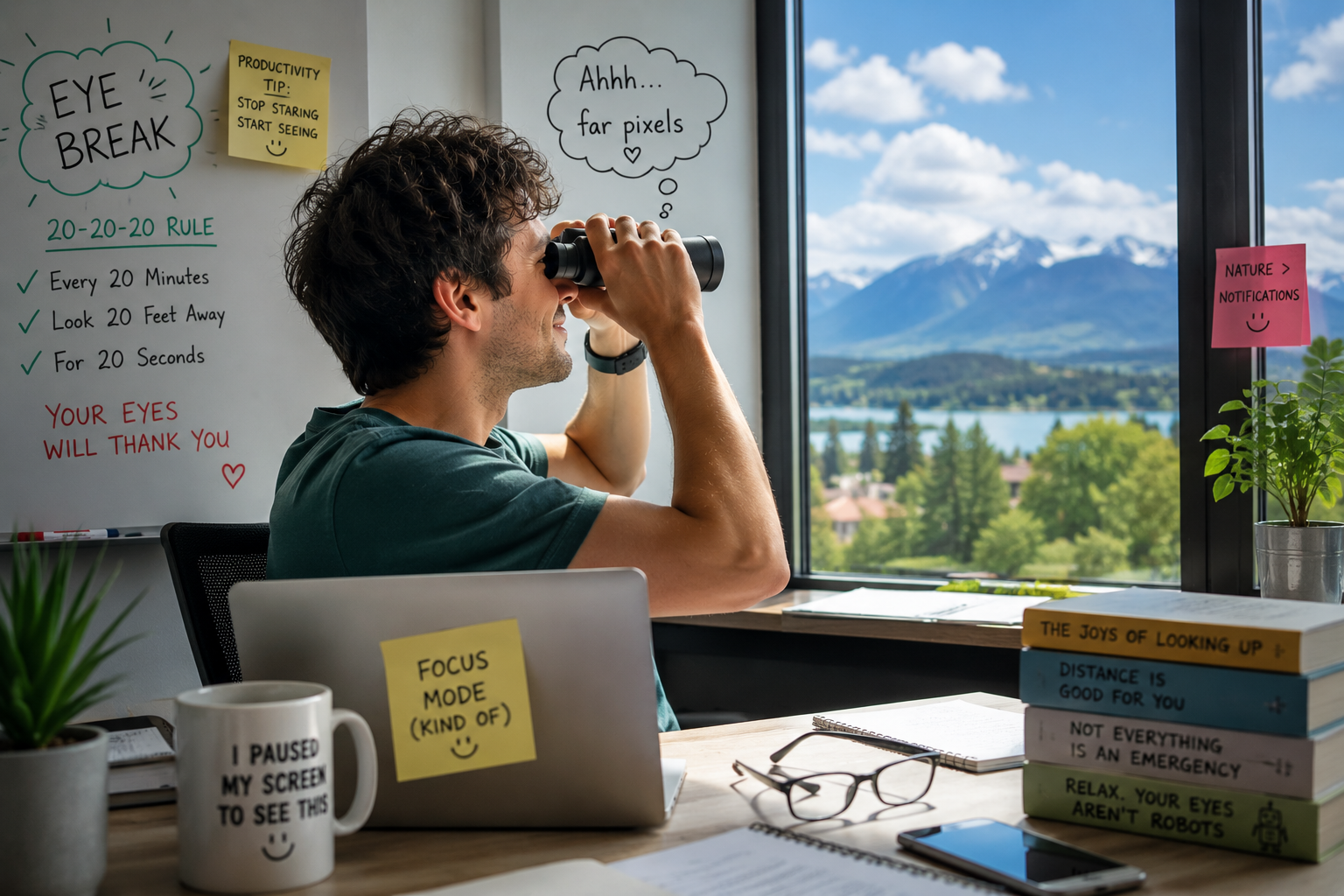
Why Looking Into the Distance Helps After Near Work
After a long stretch of reading or screen work, you look across the room and the distance does not immediately appear crisp. Your eyes may feel slow to refocus, heavy behind the brow, or reluctant to leave the near task. Looking into the distance can help—but not because it “strengthens” the eyes or repairs your…
-
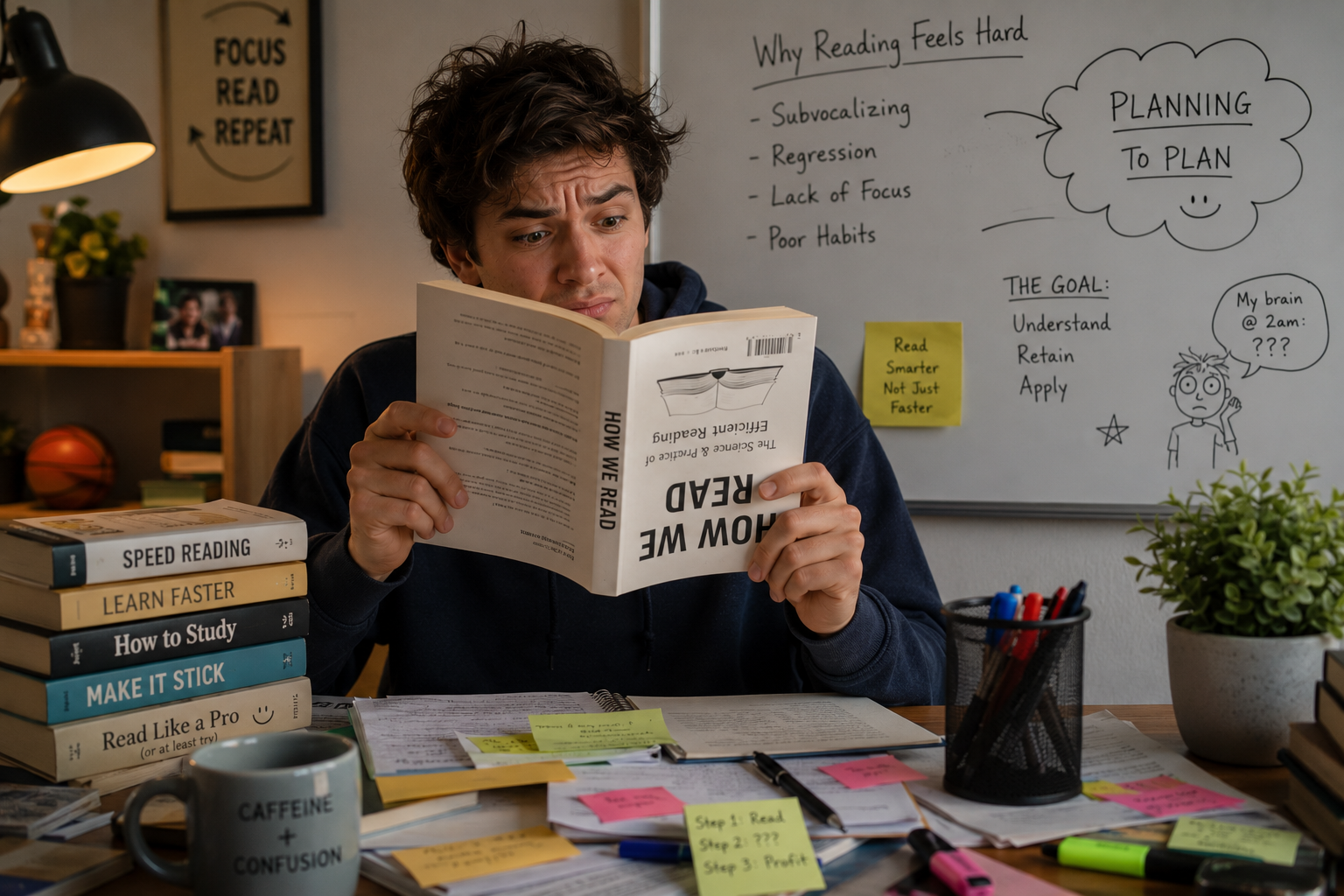
Most People Were Never Taught How to Read Efficiently
You were taught how to read a sentence. You may never have been taught what to do when thirty pages arrive before a meeting, when only one section of a report matters, or when a document must be understood differently from an email, textbook, contract, or novel. So you use the safest method you know:…
-

Why Late-Night Screen Use Makes Your Eyes Feel Worse the Next Day
You finally put the phone down, sleep, and wake with eyes that feel dry, heavy, irritated, or slow to settle into focus. The obvious suspect is blue light. The fuller explanation is less tidy—and more useful. Late-night screen use can make your eyes feel worse the next day because it adds more close visual work…